The Parables

Forty stories. One Kingdom.

The parables Yeshua taught the crowds and His disciples — soils and seeds, sheep and sons, servants and kings. Tap a card to read the parable and its meaning, then flip it back. Each one opens a window onto the reign of the Father.

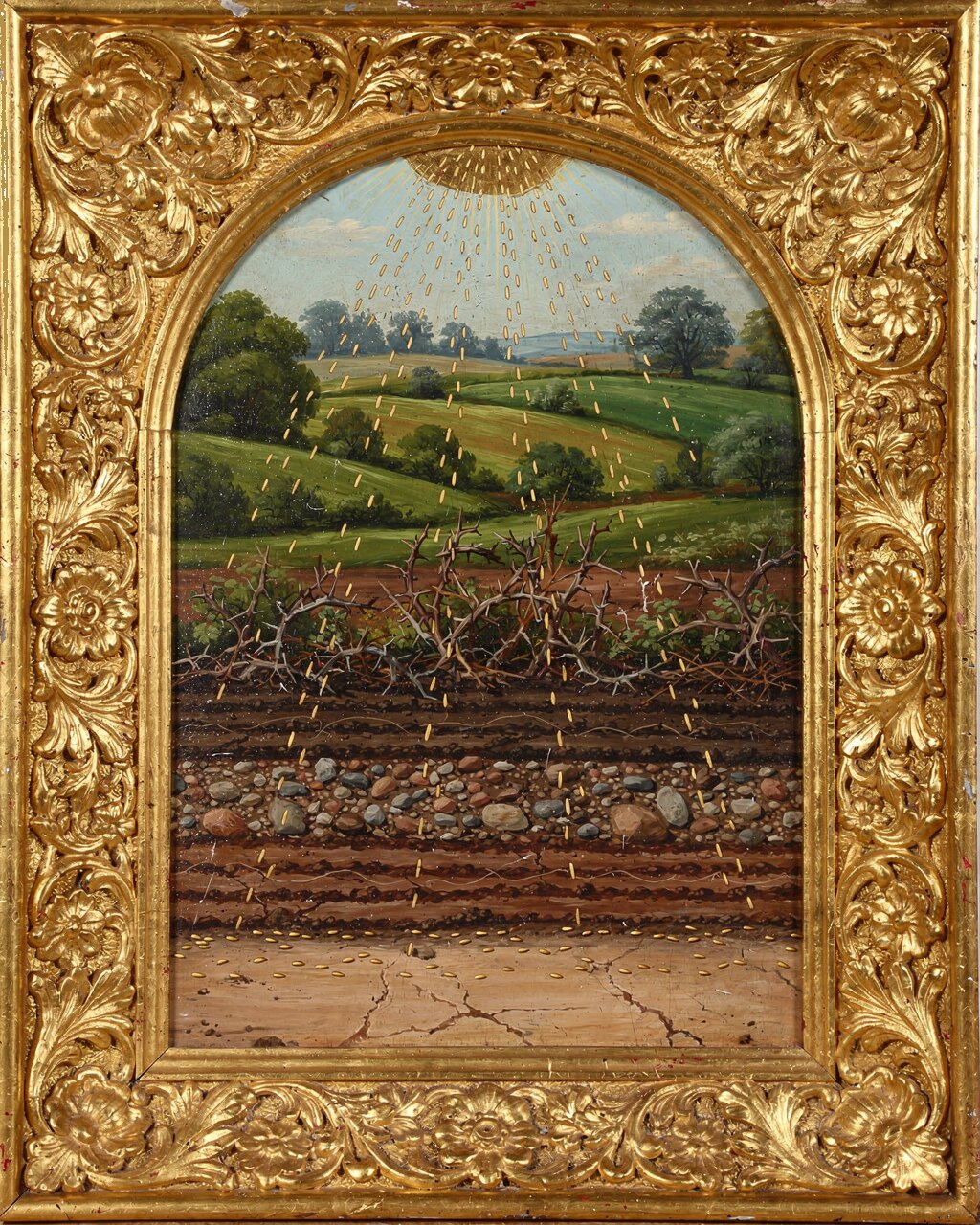
Parable 1 of 22 · to the crowdsThe Sower and the Seed
Parable 1 of 22

The Sower and the Seed

Mattityahu 13:1–23 · to the crowds

Yeshua tells of seed scattered on four kinds of ground — the path, the rocks, the thorns, the good soil — and what becomes of each.

The meaning

The seed is the word of the Kingdom. The grounds are conditions of the human heart that receive it. Yeshua names why some hear and never bear fruit, and why good soil bears thirty-, sixty-, hundredfold. Hearing is not the same as receiving.

Echoes from the Tanakh

Yeshayahu 55:10–11My word shall not return empty
Hoshea 10:12Break up your fallow ground
Read Mattityahu 13:1–23 in the Scriptures
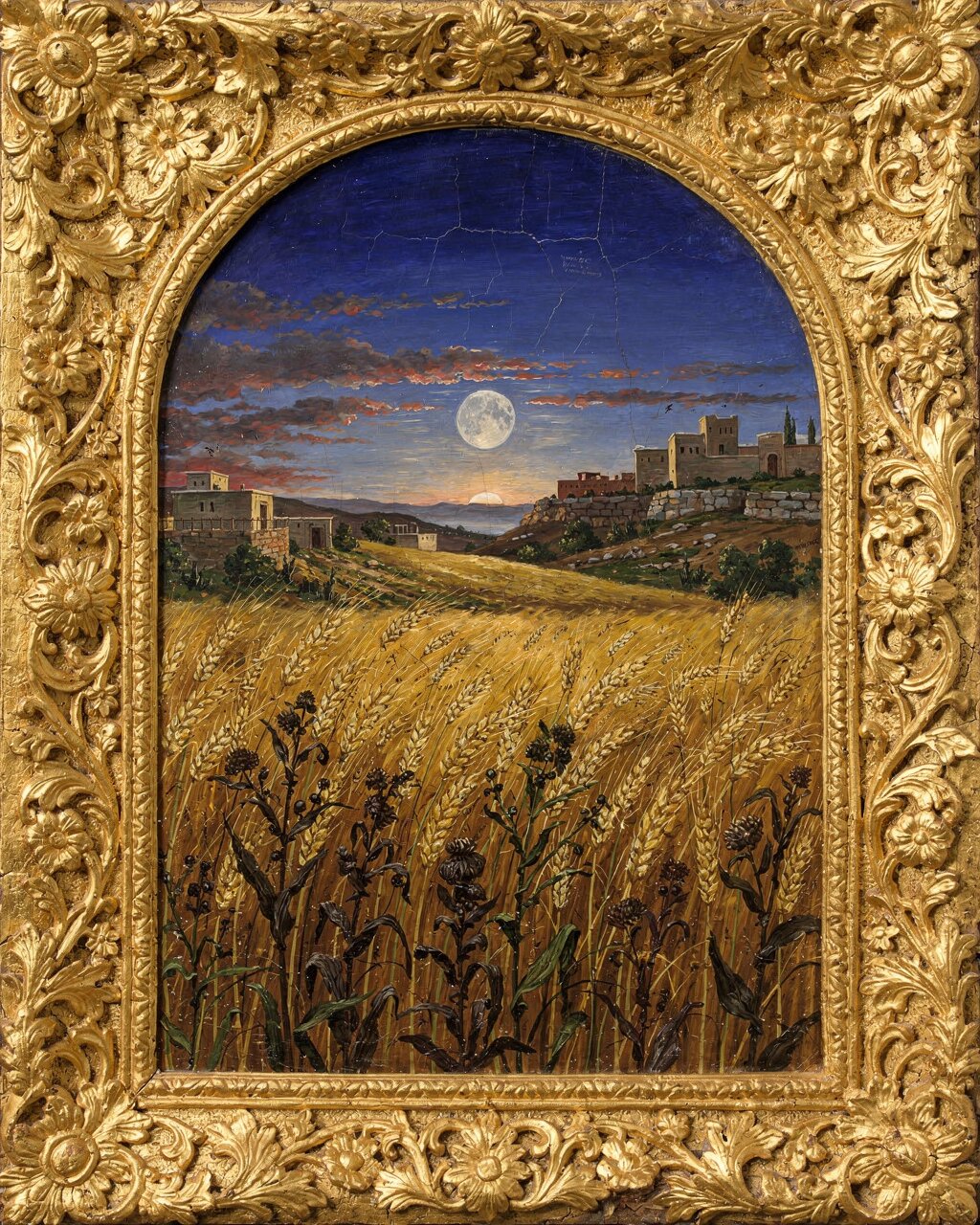
Parable 2 of 22 · to the crowdsThe Wheat and the Tares
Parable 2 of 22

The Wheat and the Tares

Mattityahu 13:24–30 · to the crowds

An enemy sows weeds among the wheat at night; the master forbids pulling them now and waits until harvest to separate them.

The meaning

The Kingdom grows in a world where evil is also planted. Yeshua refuses premature judgement — the field is His, the harvesters are malakim, and He alone separates at the end. Patience under wickedness is not weakness; it is trust in His coming reckoning.

Echoes from the Tanakh

Mal'akhi 4:1The day burns the wicked like stubble
Daniel 12:2Many who sleep shall awake — some to everlasting life
Read Mattityahu 13:24–30 in the Scriptures
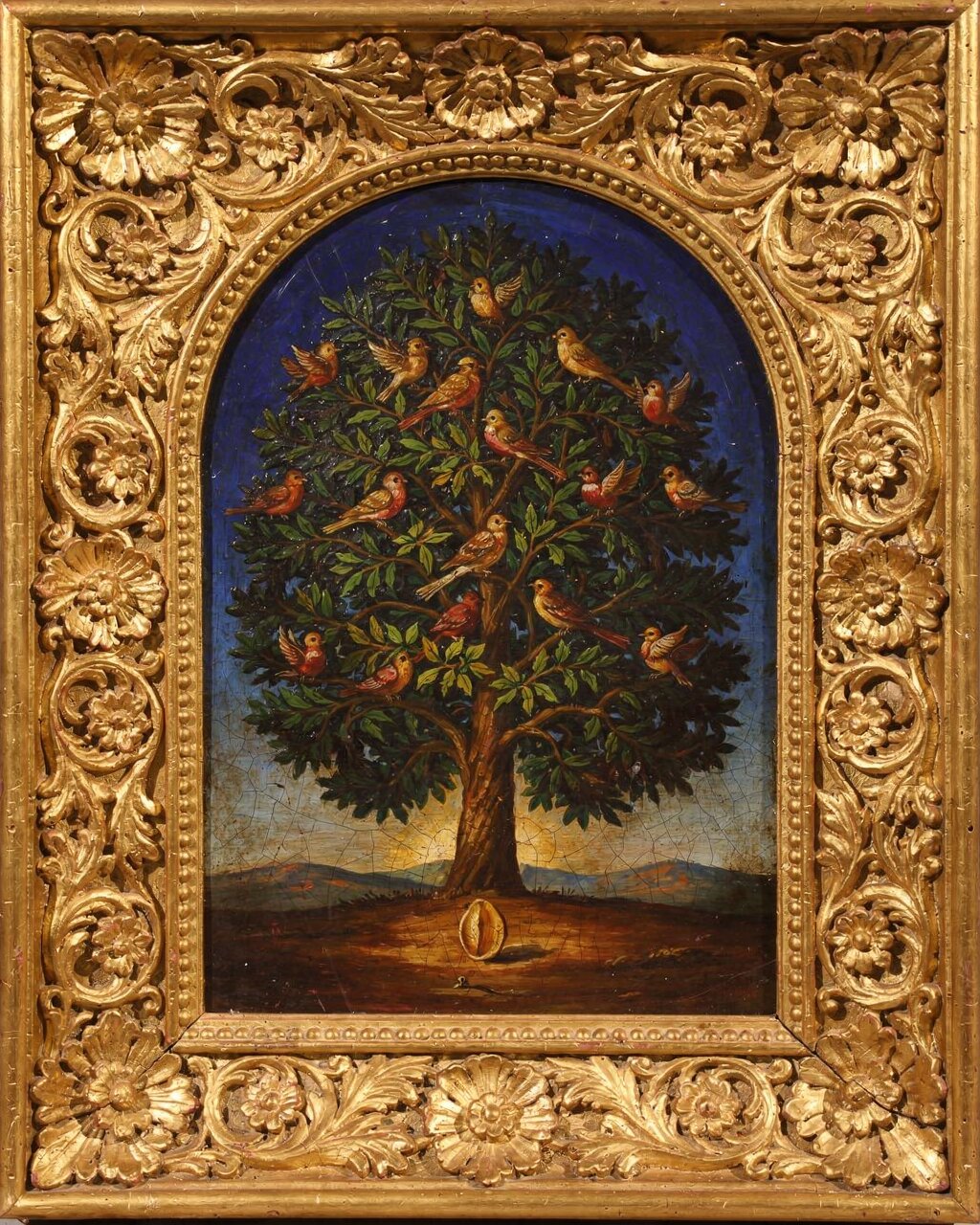
Parable 3 of 22 · to the crowdsThe Mustard Seed
Parable 3 of 22

The Mustard Seed

Mattityahu 13:31–32 · to the crowds

The Kingdom is like the smallest of seeds, which becomes the largest of garden plants — birds nest in its branches.

The meaning

Yeshua frames His Kingdom as starting indecently small — twelve fishermen, a carpenter, a borrowed tomb. What appears insignificant to the powers of the age becomes the shelter for every nation. Do not despise the seed because the field is small.

Echoes from the Tanakh

Yechezkel 17:22–24I will plant a tender shoot — birds of every kind nest in it
Daniel 4:10–12A great tree, all flesh fed from it
Read Mattityahu 13:31–32 in the Scriptures
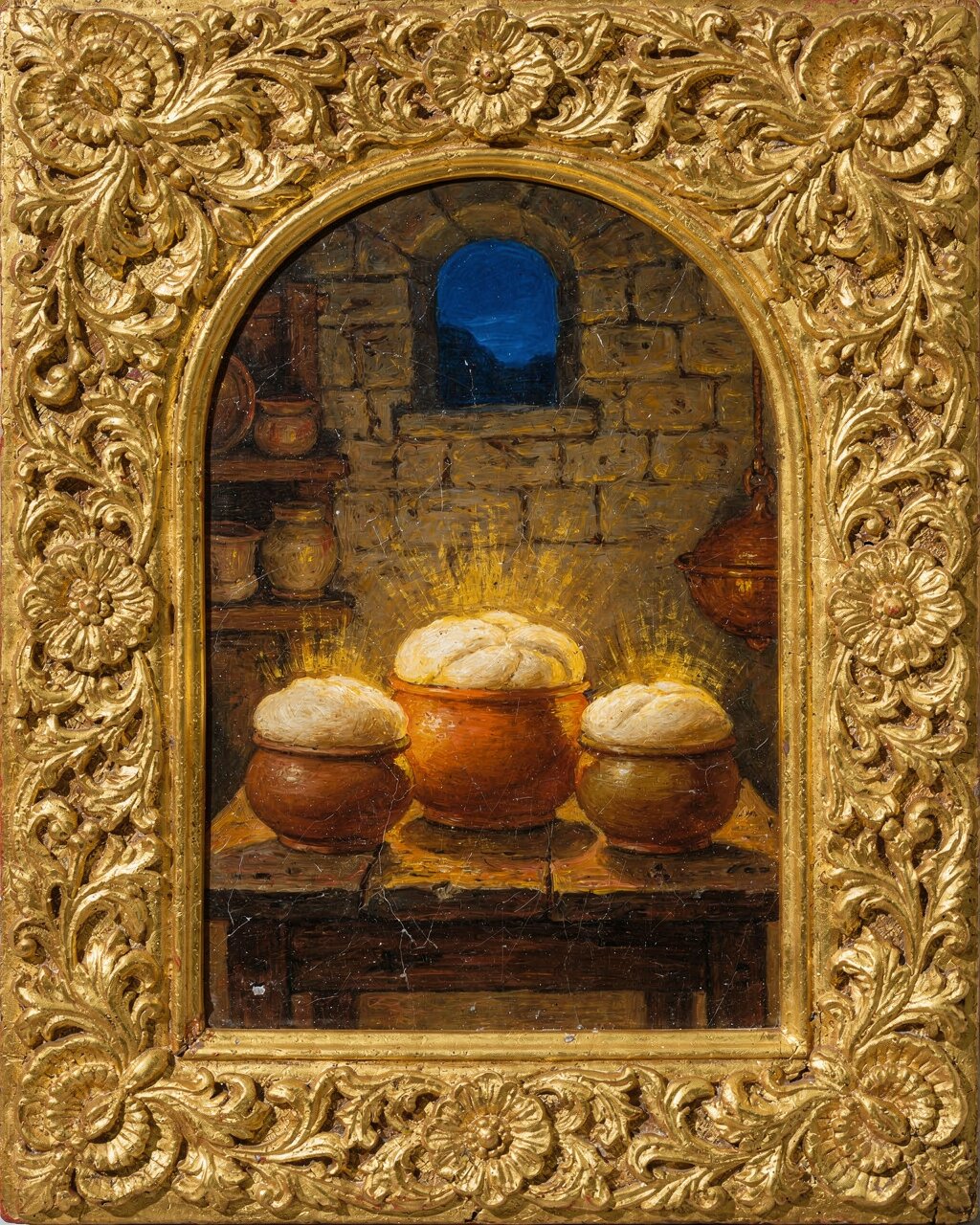
Parable 4 of 22 · to the crowdsThe Leaven
Parable 4 of 22

The Leaven

Mattityahu 13:33 · to the crowds

The Kingdom is like leaven a woman hid in three measures of flour until the whole was leavened.

The meaning

The Kingdom works invisibly, from inside the dough — not by spectacle or force. By the time you see it, the whole loaf has changed. Yeshua hides Himself in the ordinary so He can change everything from within.

Echoes from the Tanakh

Shemot 12:15Leaven removed at Pesach — Yeshua flips the symbol towards kingdom growth
Read Mattityahu 13:33 in the Scriptures
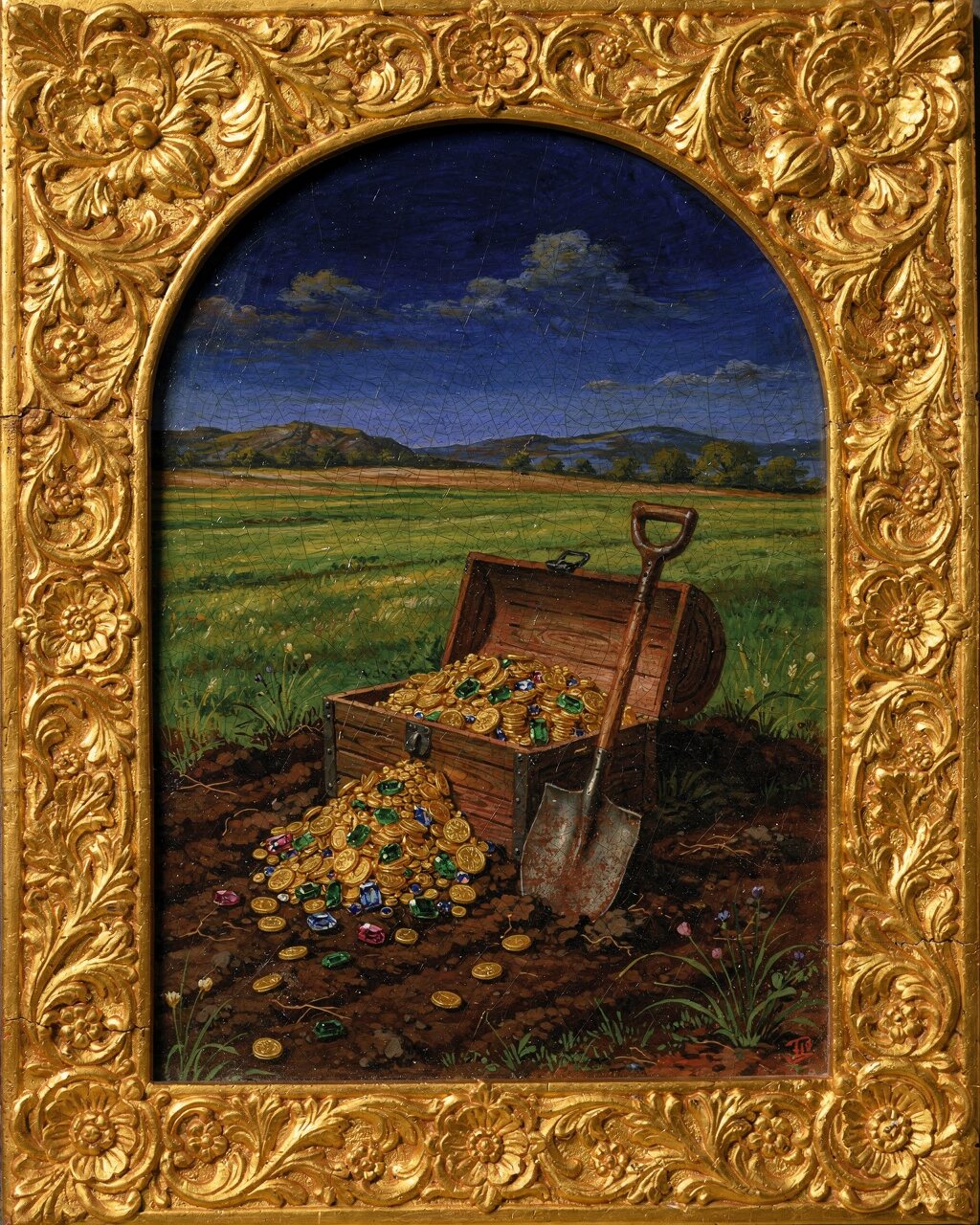
Parable 5 of 22 · to the disciplesThe Hidden Treasure
Parable 5 of 22

The Hidden Treasure

Mattityahu 13:44 · to the disciples

A man finds treasure hidden in a field, hides it again, and joyfully sells everything to buy that field.

The meaning

When you actually see what the Kingdom is worth, what it costs feels like nothing. The man sells everything not from duty but from joy — the math has changed. The Father is the field's owner; Yeshua is the treasure; you are the one He came looking for.

Echoes from the Tanakh

Mishlei 2:4–5Search for wisdom as for hidden treasure
Read Mattityahu 13:44 in the Scriptures
Parable 6 of 22 · to the disciplesThe Pearl of Great Price
Parable 6 of 22

The Pearl of Great Price

Mattityahu 13:45–46 · to the disciples

A merchant finds one pearl of supreme value and sells everything he has to buy it.

The meaning

The merchant is no novice — he knows pearls. When he finds the one, he liquidates the rest. Yeshua is the one pearl. To know Him is to find every other 'good thing' instantly relative. Sell. Buy.

Echoes from the Tanakh

Mishlei 3:13–15Wisdom is more precious than rubies
Read Mattityahu 13:45–46 in the Scriptures
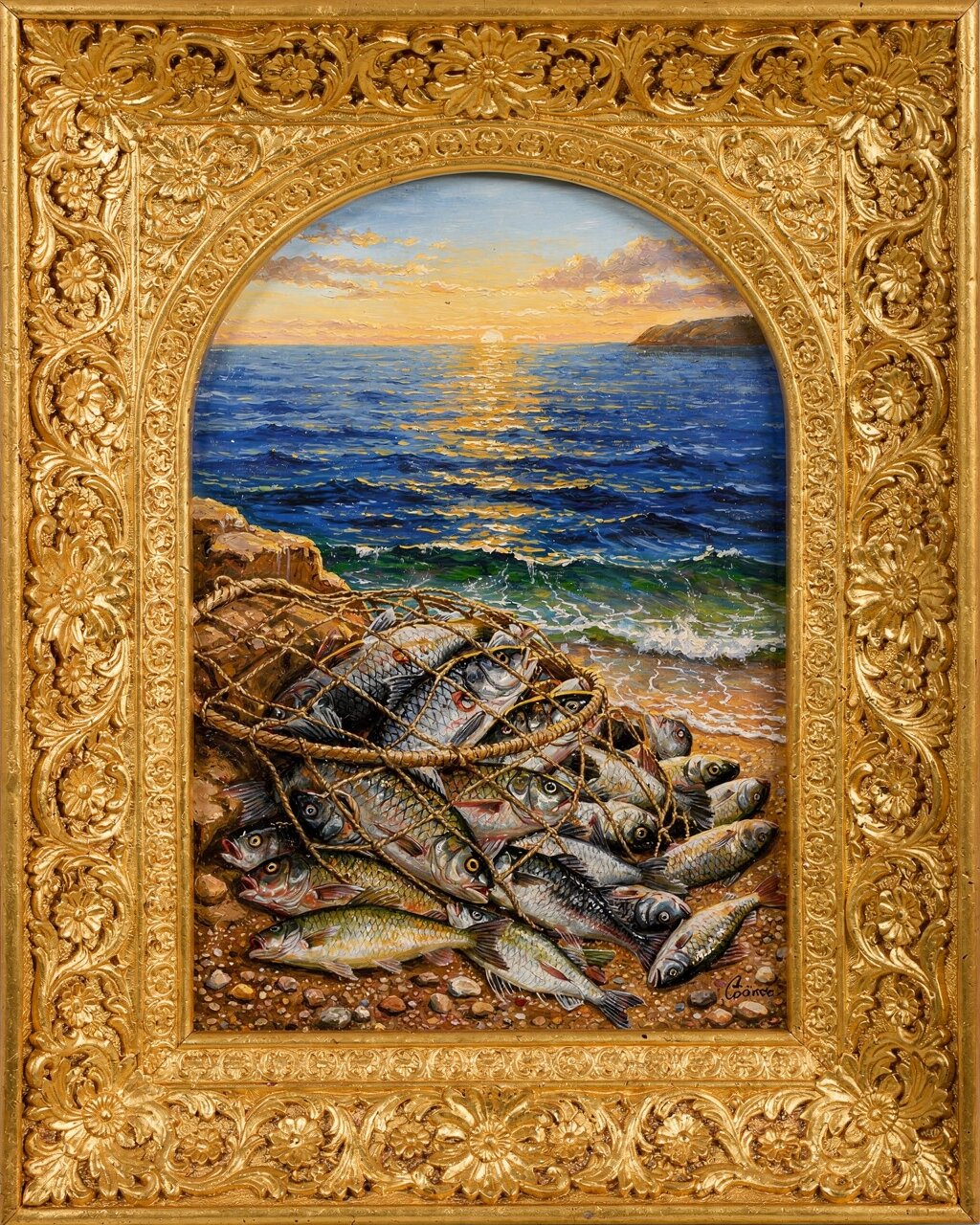
Parable 7 of 22 · to the disciplesThe Dragnet
Parable 7 of 22

The Dragnet

Mattityahu 13:47–50 · to the disciples

A net cast into the sea catches every kind; on shore the good are gathered and the bad thrown away.

The meaning

The Kingdom drags through the whole sea of humanity. Sorting happens at the end of the age — not by the fish, not by the net, but by Yeshua's malakim. Cast wide now; trust the sorting later.

Echoes from the Tanakh

Habakuk 1:14–17Men like fish in the sea
Yechezkel 47:10Fishermen on the river of life
Read Mattityahu 13:47–50 in the Scriptures
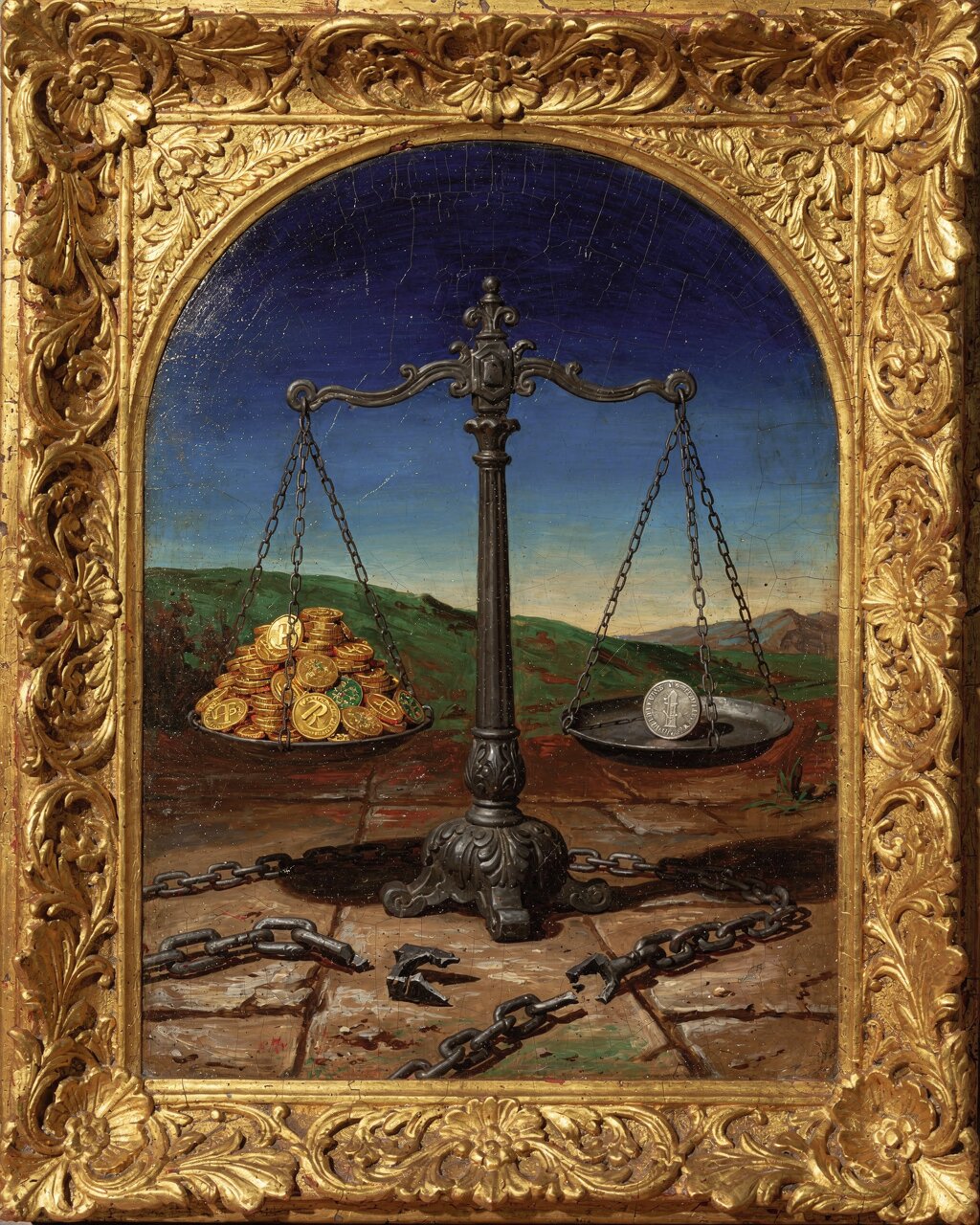
Parable 8 of 22 · to the disciplesThe Unforgiving Servant
Parable 8 of 22

The Unforgiving Servant

Mattityahu 18:21–35 · to the disciples

A servant forgiven a fortune by his king then chokes a fellow servant over a coin, and the king reverses the pardon.

The meaning

The math is staggering: ten thousand talents (a king's ransom) versus a hundred denarii (a workman's wages). Yeshua's point is the disproportion. If you've grasped the size of your own forgiveness, refusing to extend it to another is unthinkable. The Father gives mercy; He also expects it to flow.

Echoes from the Tanakh

Vayikra 19:18Love your neighbour as yourself
Mishlei 21:13He who shuts his ears to the cry of the poor will himself cry and not be heard
Read Mattityahu 18:21–35 in the Scriptures
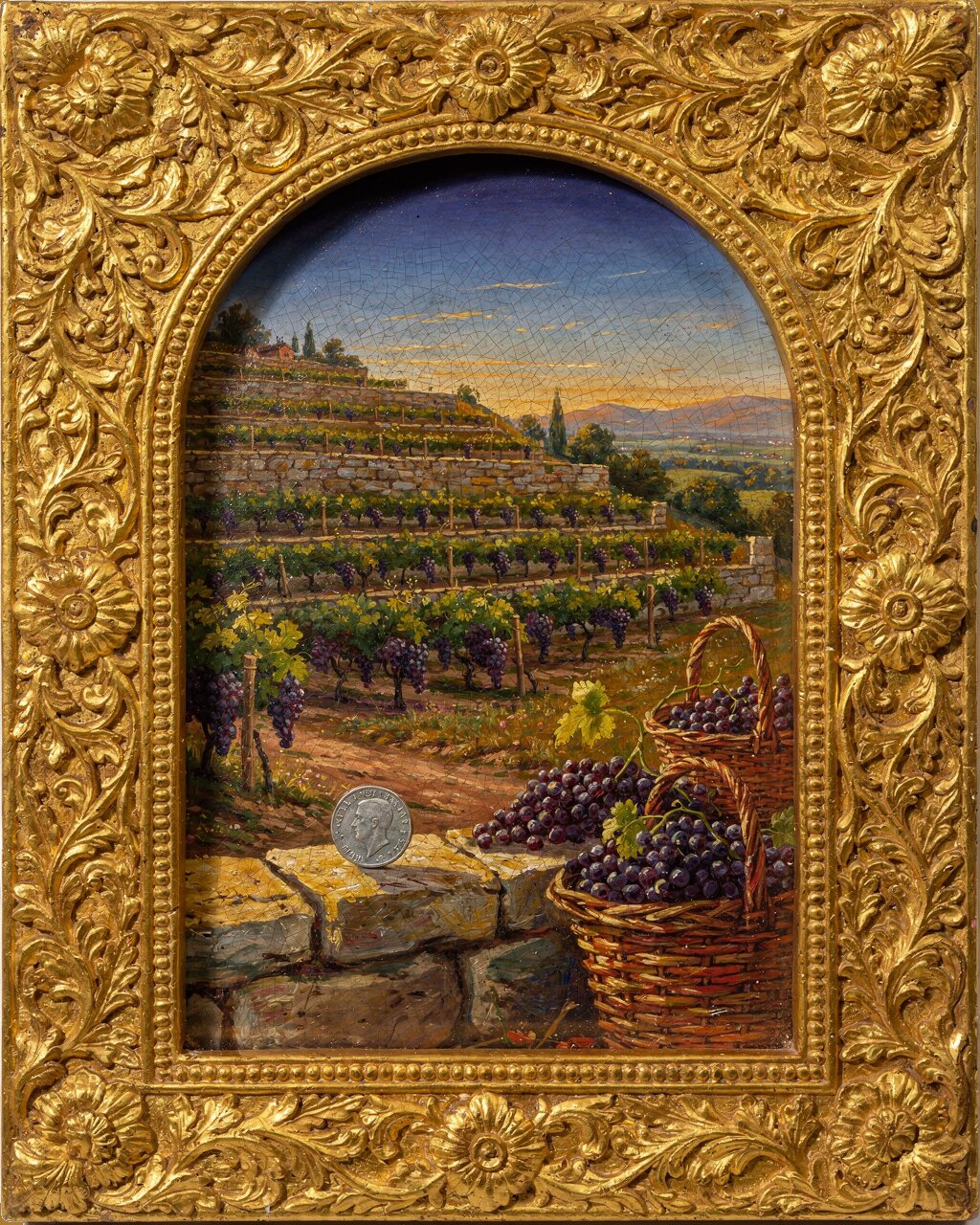
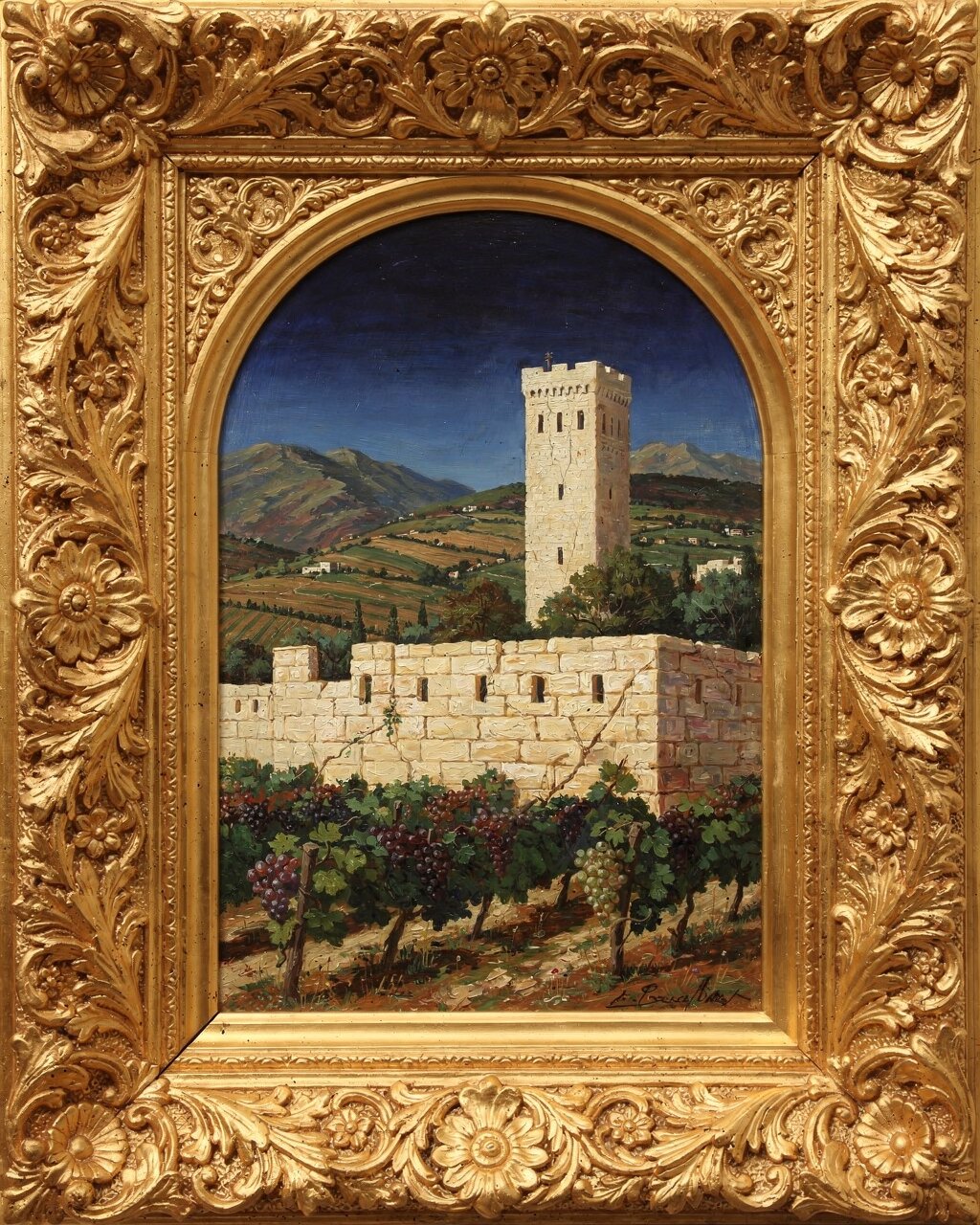
Parable 9 of 22 · to the disciplesThe Workers in the Vineyard
Parable 9 of 22

The Workers in the Vineyard

Mattityahu 20:1–16 · to the disciples

A landowner pays workers hired at sunrise the same wage as those hired at the eleventh hour, and the early ones grumble.

The meaning

The Kingdom is not a contract; it is a generosity. The first workers got exactly what they agreed to — what offended them was His kindness to others. Yeshua exposes a hidden envy that wears the mask of fairness. The Father gives what is His to give. Receive your wage and rejoice when He is generous to the late-comers.

Echoes from the Tanakh

Yeshayahu 55:8–9My ways are not your ways
Yonah 4:1–11Jonah angry at Elohim's mercy on Nineveh
Read Mattityahu 20:1–16 in the Scriptures
Parable 10 of 22 · to the leadersThe Two Sons
Parable 10 of 22

The Two Sons

Mattityahu 21:28–32 · to the leaders

A father tells two sons to work in the vineyard; one says no but goes, the other says yes but does not.

The meaning

Words are cheap; obedience is the receipt. Yeshua tells this to chief priests and elders who said yes to the Father in name but rejected the messenger He sent. Tax collectors and prostitutes — the no-sayers who repented — entered the Kingdom ahead of them. Walking matters more than speech.

Echoes from the Tanakh

Yechezkel 18:27When the wicked turns from his wickedness, he shall live
Read Mattityahu 21:28–32 in the Scriptures
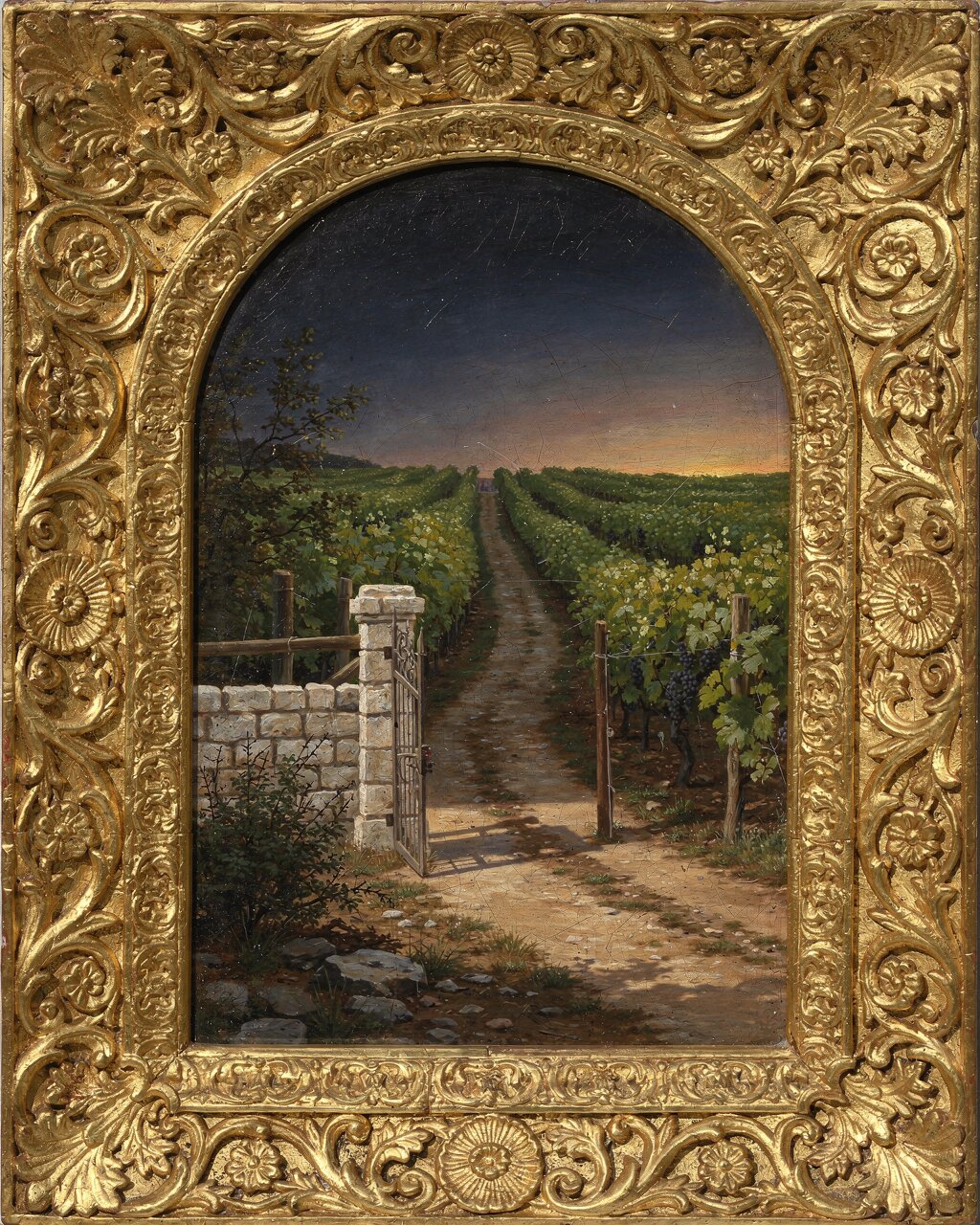
Parable 11 of 22 · to the leadersThe Wicked Tenants
Parable 11 of 22

The Wicked Tenants

Mattityahu 21:33–46 · to the leaders

Tenants beat the landowner's servants and finally murder his son to seize the inheritance.

The meaning

The vineyard is Israel; the servants are the prophets; the son is Yeshua Himself, telling His killers what they are about to do. He quotes Psalm 118 — the rejected stone has become the cornerstone. The leaders heard the parable and recognised themselves. They tried to arrest Him anyway.

Echoes from the Tanakh

Yeshayahu 5:1–7The vineyard song — Israel as YHWH's vineyard
Tehillim 118:22–23The stone the builders rejected
Read Mattityahu 21:33–46 in the Scriptures
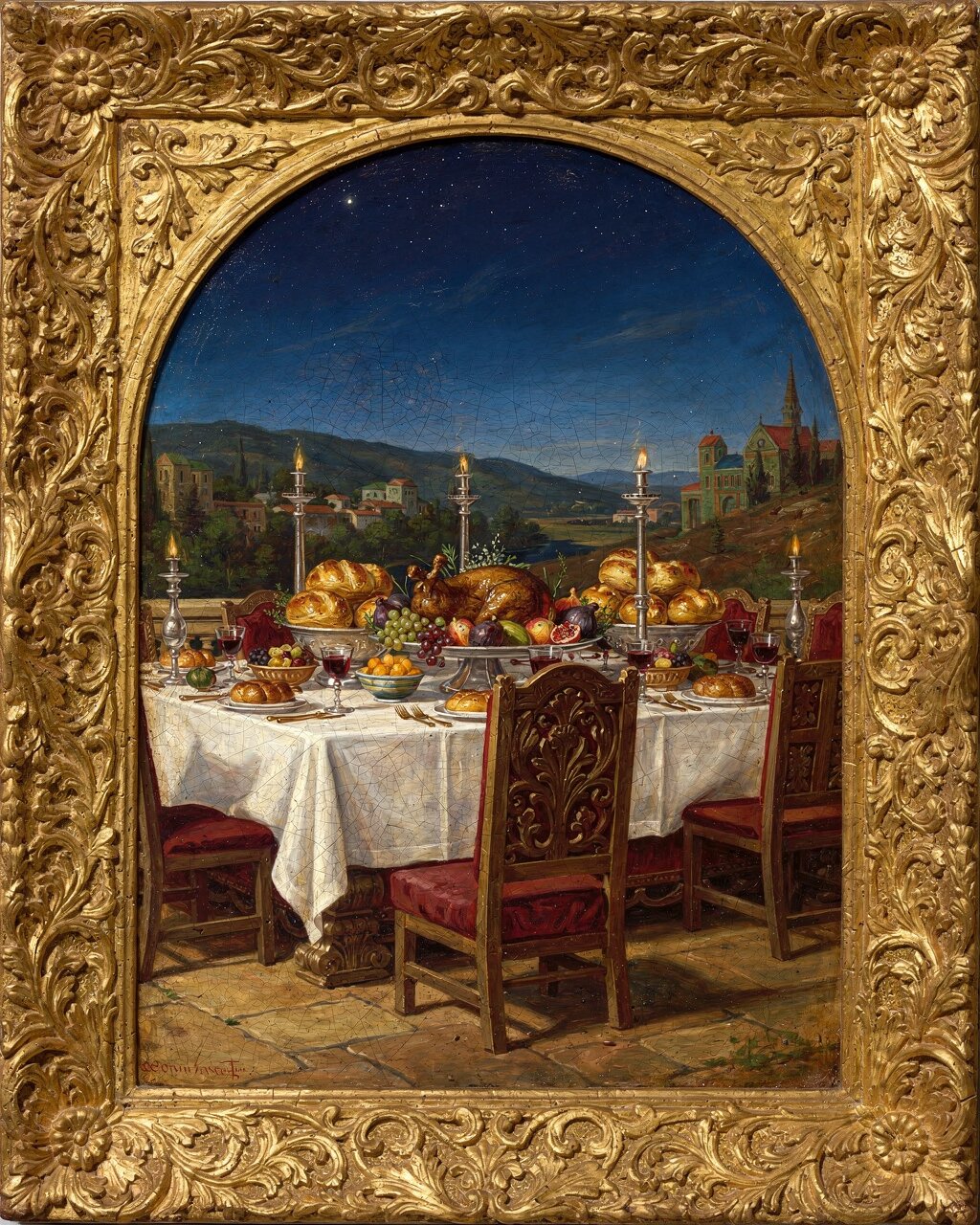
Parable 12 of 22 · to the leadersThe Wedding Banquet
Parable 12 of 22

The Wedding Banquet

Mattityahu 22:1–14 · to the leaders

A king's invited guests refuse the wedding feast; he sends servants to bring in everyone from the streets — but one comes without a wedding garment.

The meaning

The first invitation went to those who claimed the table by birthright, and they declined. The Father then opens the doors to anyone who will come. But there is a garment — a wedding garment — that He provides and expects worn. Many are called, few are chosen: the choosing is real, and so is the garment.

Echoes from the Tanakh

Yeshayahu 61:10He has clothed me with garments of salvation
Yeshayahu 25:6–9The mountain feast for all peoples
Read Mattityahu 22:1–14 in the Scriptures
Parable 13 of 22 · to the disciplesThe Ten Virgins
Parable 13 of 22

The Ten Virgins

Mattityahu 25:1–13 · to the disciples

Five wise virgins bring extra oil for their lamps; five foolish do not, and miss the bridegroom when He comes at midnight.

The meaning

The bridegroom is Yeshua. The wait is the age between His ascension and His return. Oil cannot be borrowed at the last minute — what you carry into the night is what you'll have. Watchfulness is not anxiety; it is keeping your lamp full now, before the cry comes.

Echoes from the Tanakh

Songofsongs 3:6–11Behold, the bridegroom comes
Read Mattityahu 25:1–13 in the Scriptures
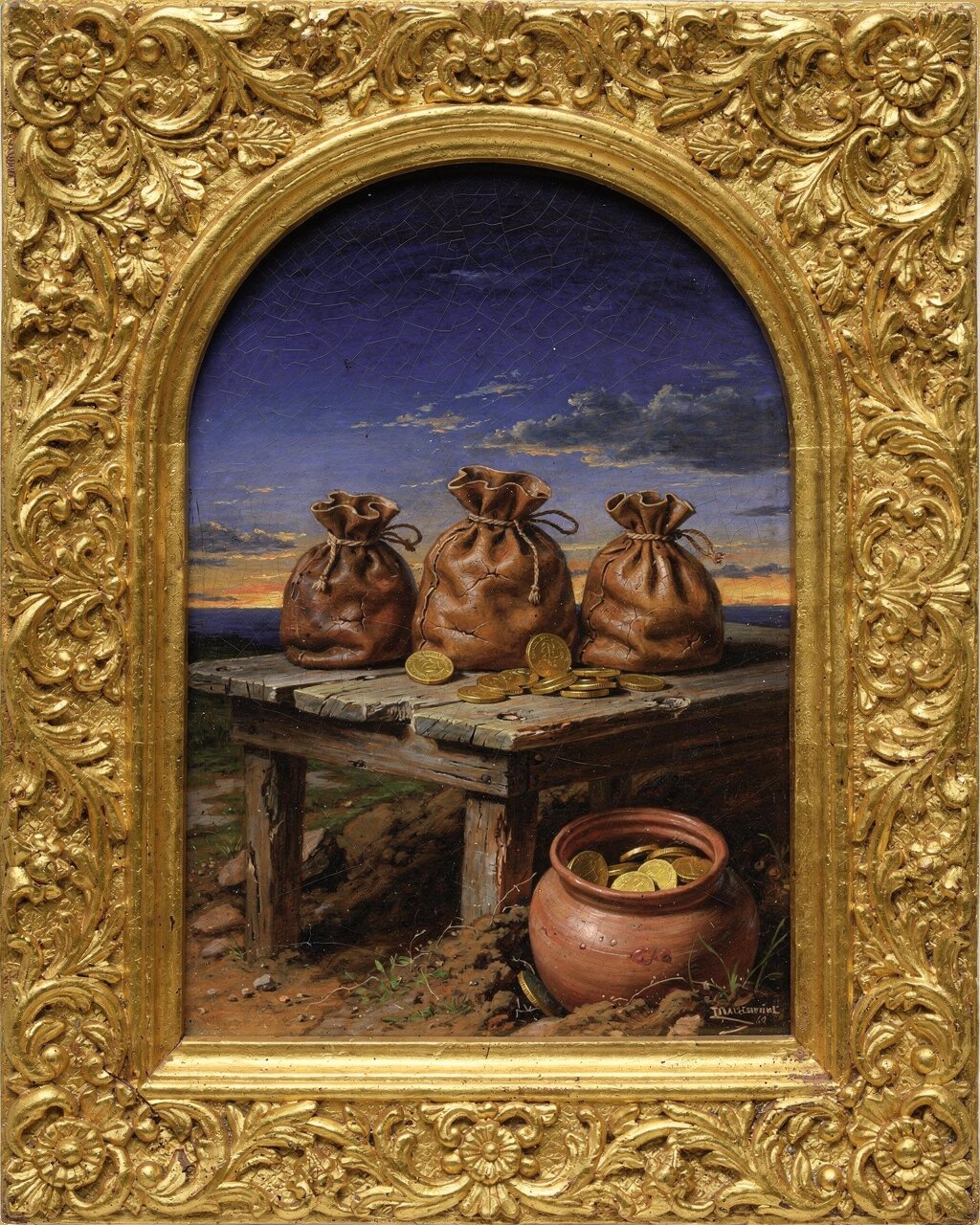
Parable 14 of 22 · to the disciplesThe Talents
Parable 14 of 22

The Talents

Mattityahu 25:14–30 · to the disciples

A master entrusts servants with five, two, and one talents; on return he commends those who multiplied and casts out the one who buried his.

The meaning

What you have was given to you. The master is not asking the one-talent servant to match the five-talent — He is asking him to invest what was actually his. The buried talent isn't lost to theft; it's lost to fear. Faithfulness with what you were given is the whole question.

Echoes from the Tanakh

Mishlei 10:4The hand of the diligent makes rich
Read Mattityahu 25:14–30 in the Scriptures
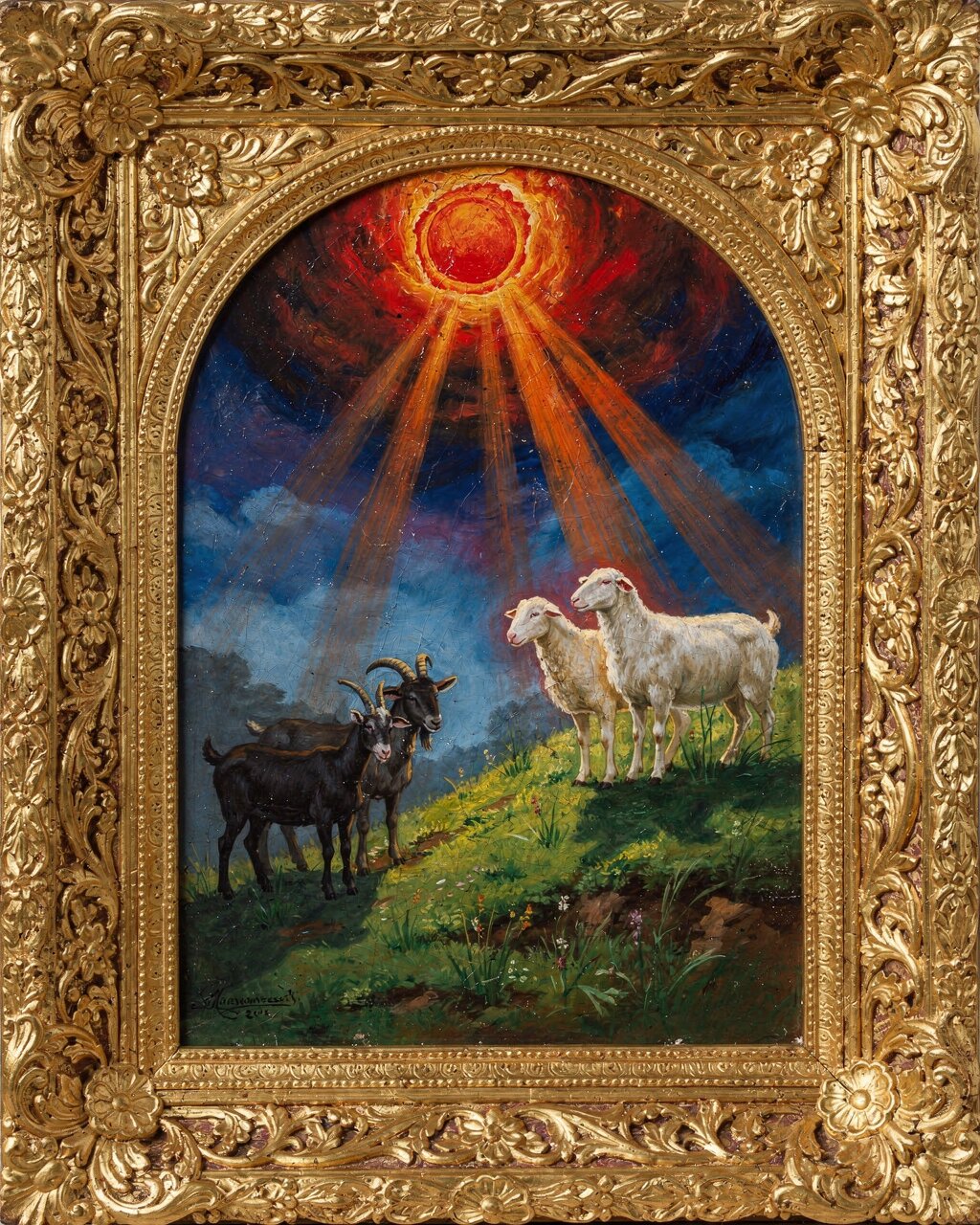
Parable 15 of 22 · to the disciplesThe Sheep and the Goats
Parable 15 of 22

The Sheep and the Goats

Mattityahu 25:31–46 · to the disciples

The Ben Adam on His throne separates the nations as a shepherd separates sheep from goats, naming what was done — and not done — to the least of these.

The meaning

Yeshua identifies Himself with the hungry, the stranger, the prisoner. To feed the least is to feed Him; to ignore them is to ignore Him. Both groups are surprised — neither saw Him in those faces. The judgement is not over creed alone but over love made visible in mercy.

Echoes from the Tanakh

Yechezkel 34:17–22I will judge between sheep and sheep
Yeshayahu 58:6–10The fast that pleases — feed the hungry, clothe the naked
Read Mattityahu 25:31–46 in the Scriptures
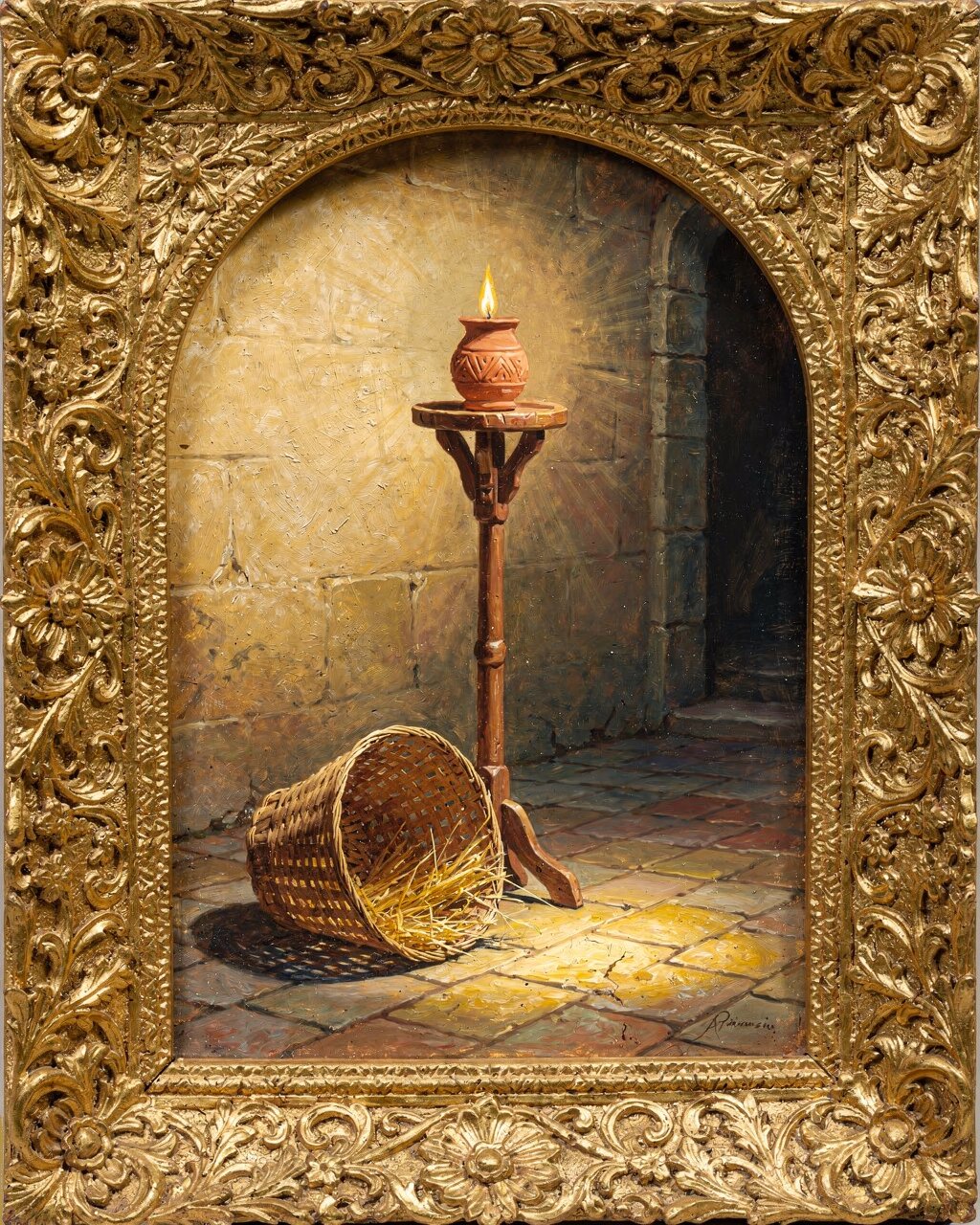
Parable 16 of 22 · to the disciplesThe Lamp Under a Bushel
Parable 16 of 22

The Lamp Under a Bushel

Mattityahu 5:14–16 · to the disciples

A lamp is lit to be set on a stand, not hidden under a basket — so let your light shine before others.

The meaning

Yeshua does not say 'make your light' — He says let it shine. The light is His; you carry it. Hiding it serves no one. Let people see good works and glorify the Father in heaven — not you.

Echoes from the Tanakh

Yeshayahu 60:1–3Arise, shine — your light has come
Read Mattityahu 5:14–16 in the Scriptures
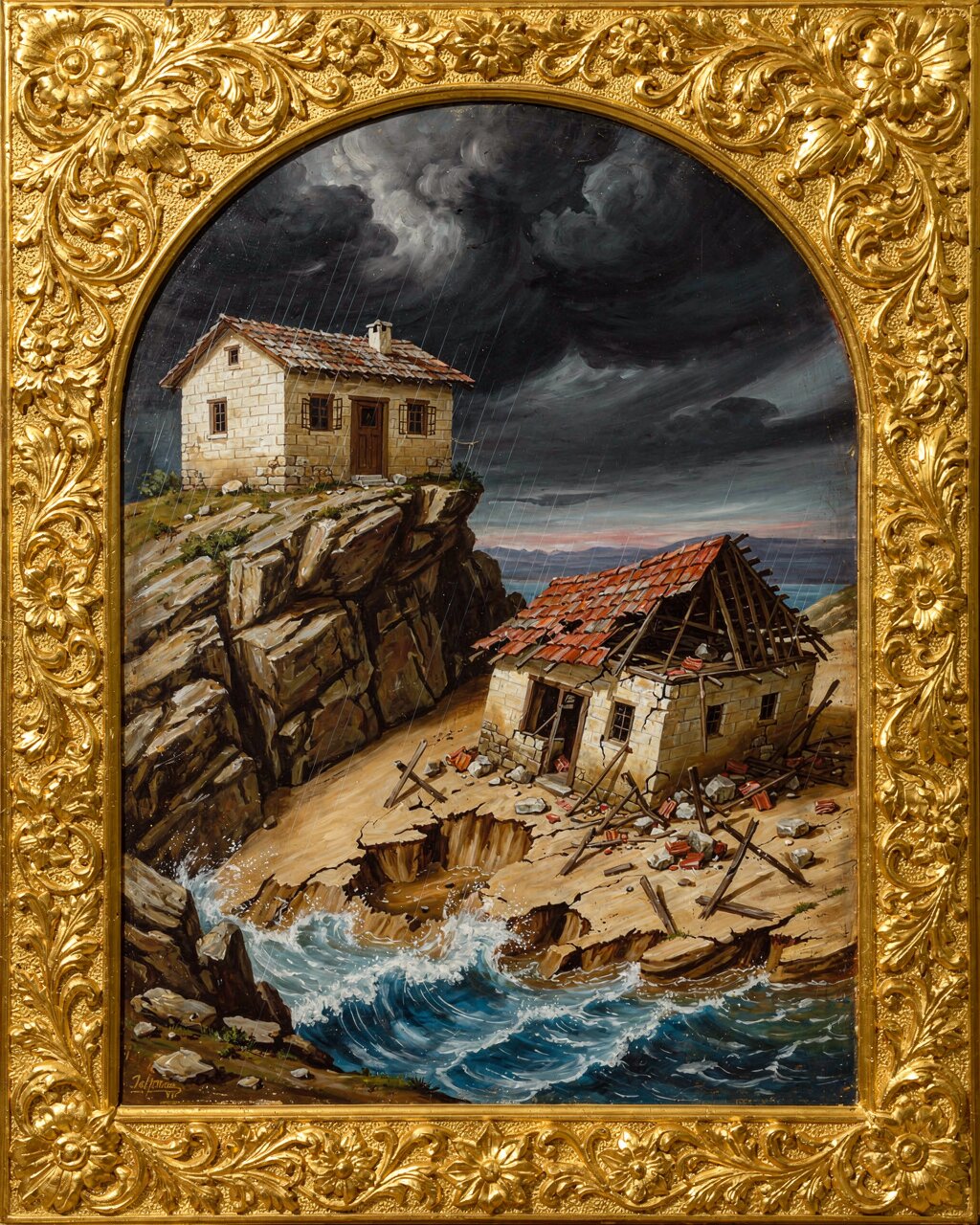
Parable 17 of 22 · to the crowdsThe Wise and Foolish Builders
Parable 17 of 22

The Wise and Foolish Builders

Mattityahu 7:24–27 · to the crowds

Two men build houses — one on rock, one on sand. The storms come and one stands, one falls.

The meaning

The difference is not in the storm — both got the same weather. The difference is in the foundation: hearing Yeshua's words and doing them. Hearing alone makes a sand-house. Yeshua closes His Sermon on the Mount with this; everything He has just said is the rock.

Echoes from the Tanakh

Tehillim 18:2YHWH is my rock and my fortress
Yeshayahu 28:16I lay in Tziyon a tested stone, a precious cornerstone
Read Mattityahu 7:24–27 in the Scriptures
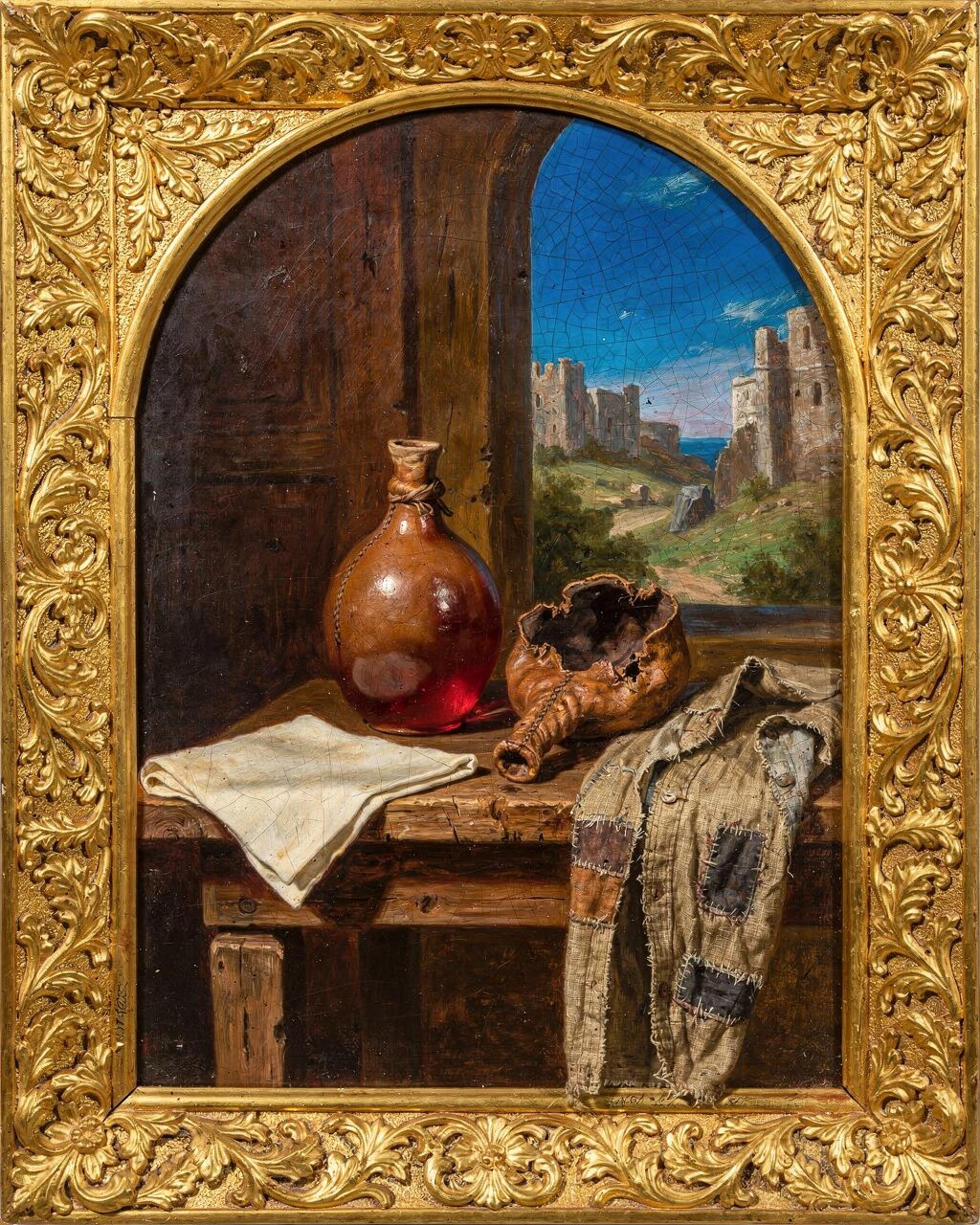
Parable 18 of 22 · to the leadersNew Cloth and New Wineskins
Parable 18 of 22

New Cloth and New Wineskins

Mattityahu 9:14–17 · to the leaders

No one patches an old garment with unshrunk cloth, and no one pours new wine into old wineskins.

The meaning

Yeshua is not patching the old religion — He is bringing a new covenant the old structures cannot contain. Not abolishing Torah, but fulfilling it; bringing new wine that needs new skins. Trying to fit Him inside old categories breaks both.

Echoes from the Tanakh

Yirmeyahu 31:31–34I will make a new covenant
Read Mattityahu 9:14–17 in the Scriptures
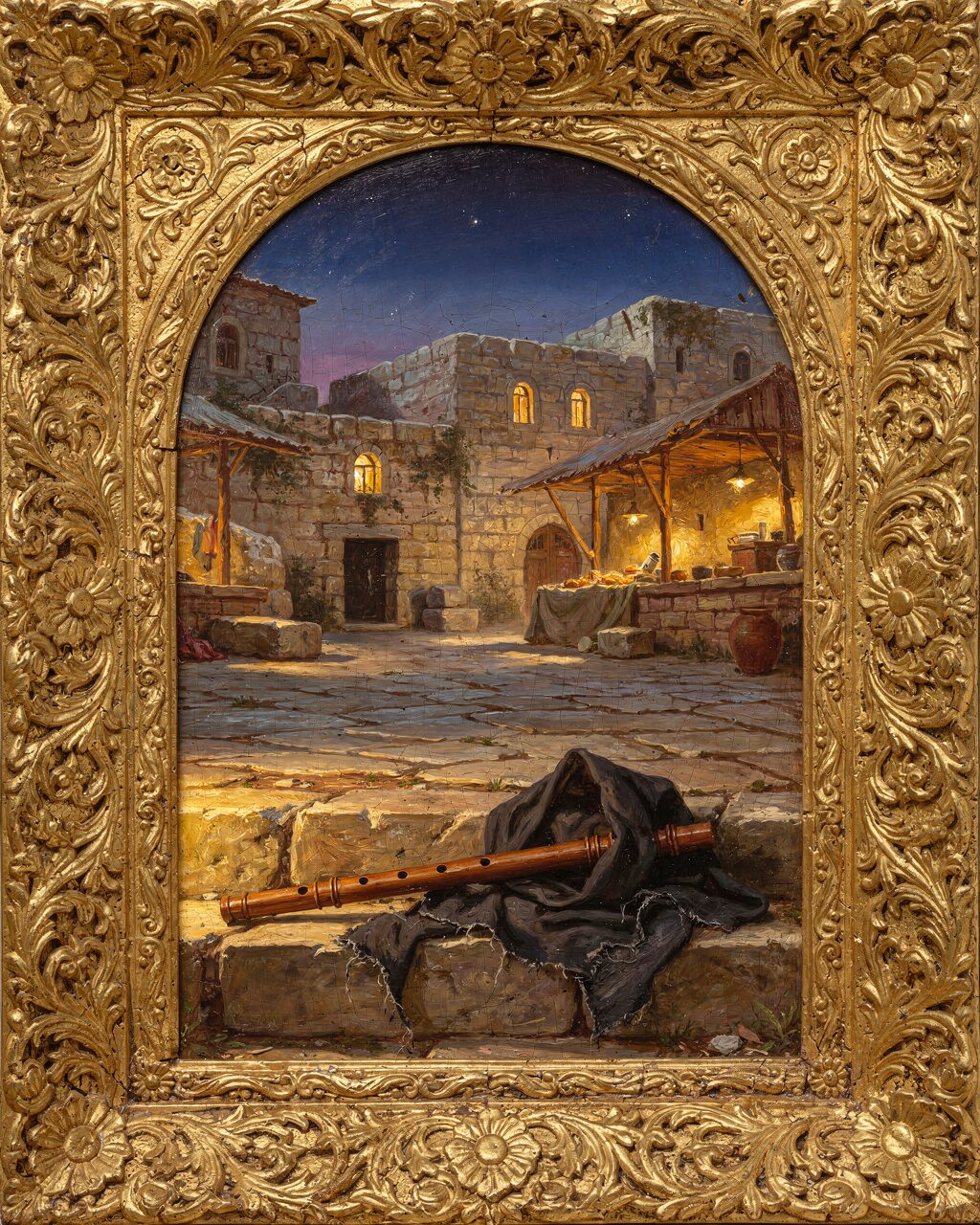
Parable 19 of 22 · to the crowdsChildren in the Marketplace
Parable 19 of 22

Children in the Marketplace

Mattityahu 11:16–19 · to the crowds

This generation is like children calling — we played the flute and you didn't dance, we mourned and you didn't weep.

The meaning

Yochanan came fasting — they called him demon-possessed. Yeshua came eating — they called Him a glutton. Wisdom is justified by her children — by what is actually born from her teaching, not by the moods of her critics.

Echoes from the Tanakh

Mishlei 8:32–36Wisdom calls in the streets
Read Mattityahu 11:16–19 in the Scriptures
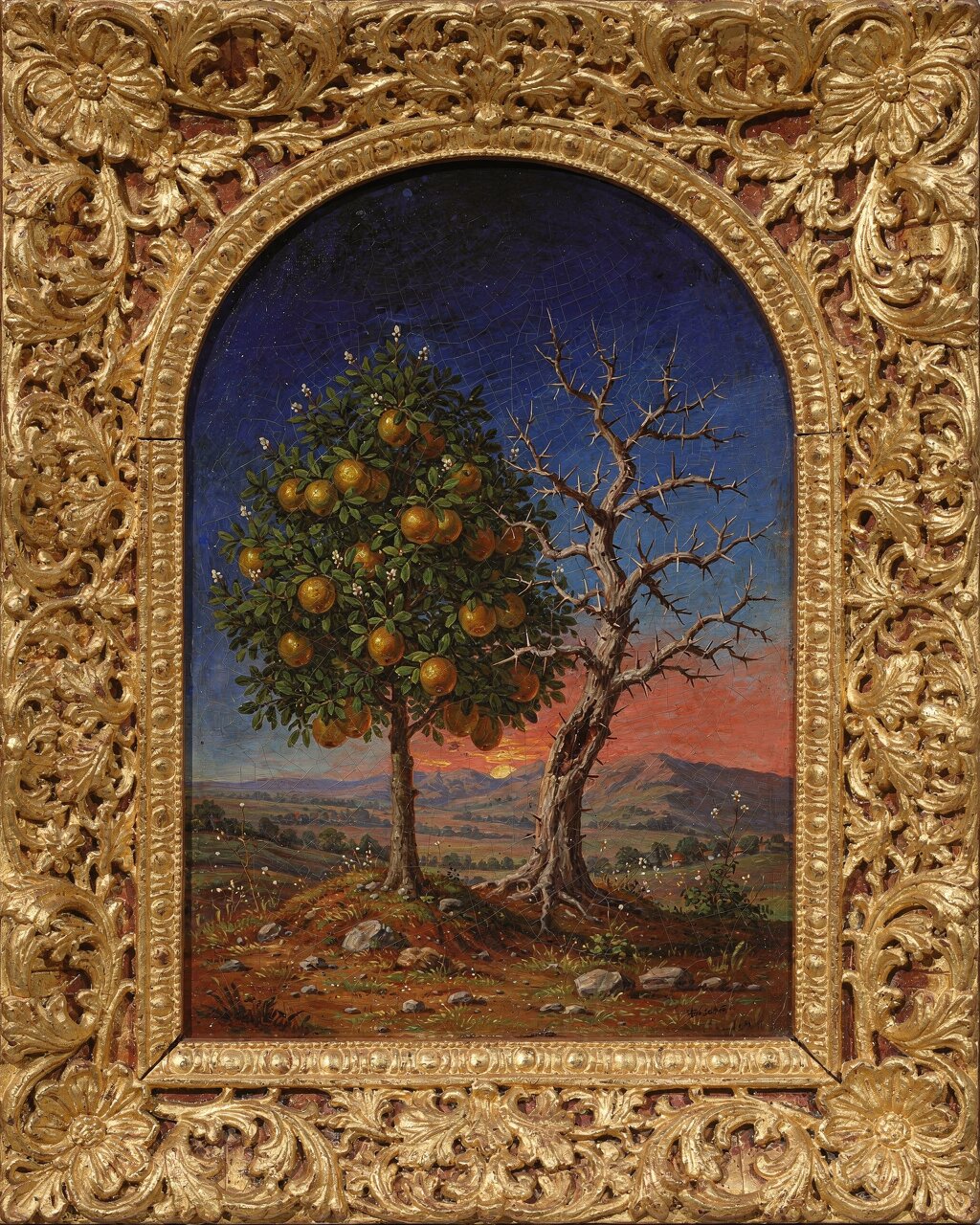
Parable 20 of 22 · to the leadersThe Tree and Its Fruit
Parable 20 of 22

The Tree and Its Fruit

Mattityahu 12:33–37 · to the leaders

A tree is known by its fruit; out of the abundance of the heart the mouth speaks.

The meaning

Yeshua refuses to grade by appearance. The mouth is the overflow of the heart — words betray what is stored inside. Pharisees were calling His Ruach-driven works demonic; their words exposed their hearts. By your words you will be acquitted, by your words condemned.

Echoes from the Tanakh

Mishlei 10:20The tongue of the righteous is choice silver
Tehillim 19:14May the words of my mouth be acceptable
Read Mattityahu 12:33–37 in the Scriptures
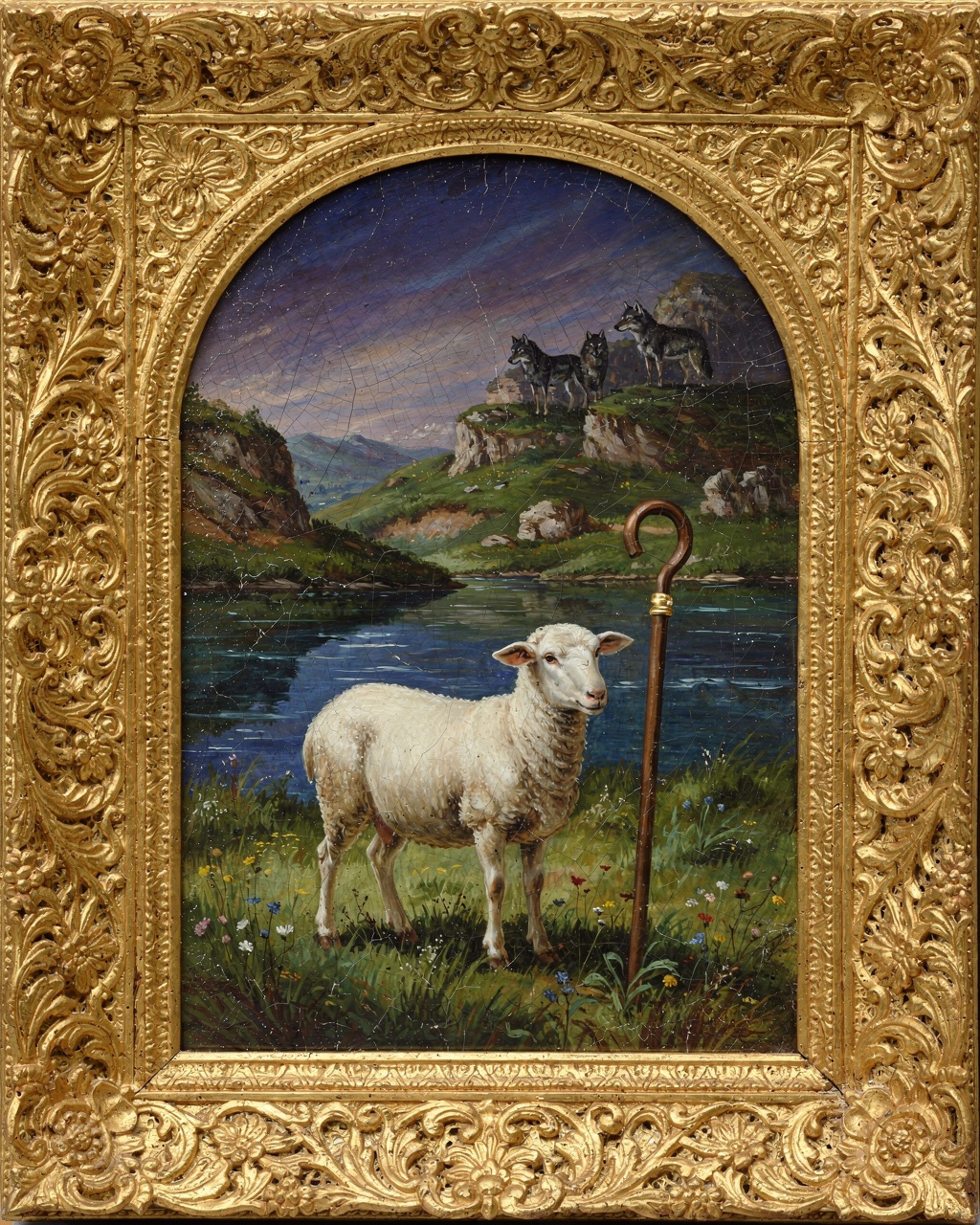
Parable 21 of 22 · to the leadersThe Good Shepherd
Parable 21 of 22

The Good Shepherd

Yochanan 10:1–18 · to the leaders

Yeshua is the door of the sheep and the good shepherd who lays down His life for the sheep; the hireling flees when the wolf comes.

The meaning

The shepherds of Israel had become hirelings — they fled when the wolf appeared. Yeshua names Himself the true Shepherd: He calls His sheep by name, and lays down His life by His own authority. No one takes it from Him. He has other sheep not of this fold; one Shepherd, one flock.

Echoes from the Tanakh

Yechezkel 34:1–31Woe to the shepherds of Israel — I myself will shepherd them
Tehillim 23:1YHWH is my shepherd
Read Yochanan 10:1–18 in the Scriptures
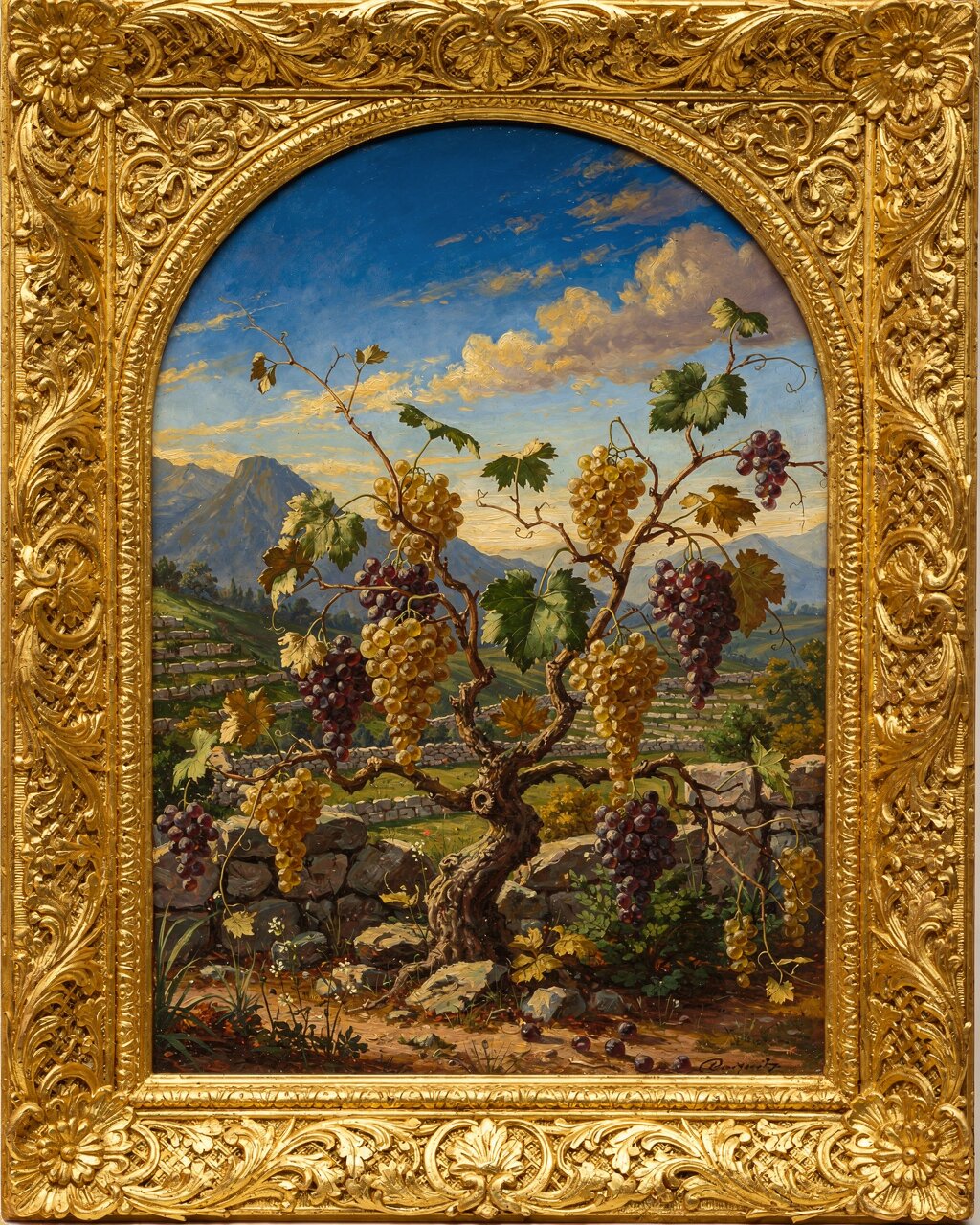
Parable 22 of 22 · to the disciplesThe True Vine
Parable 22 of 22

The True Vine

Yochanan 15:1–17 · to the disciples

Yeshua is the true vine, His Father the gardener; branches that abide in Him bear much fruit, branches that do not are gathered and burned.

The meaning

Israel was the vine that did not bear. Yeshua names Himself the true vine — the one Israel was meant to be. Apart from Him you can do nothing. Abiding is not striving; it is staying connected. Fruit is the proof; love is the fruit; joy is the side effect.

Echoes from the Tanakh

Tehillim 80:8–19You brought a vine out of Egypt — visit this vine
Yeshayahu 5:1–7The vineyard of YHWH Tzeva'ot is the house of Israel
Read Yochanan 15:1–17 in the Scriptures