The Promised One
Prophecies of the Mashiach across the Tanakh
Seed of the Woman
Notice who is being spoken to. The man and the woman are standing right there, but Elohim turns and addresses the serpent. The first promise of a rescuer arrives inside a sentence passed on the enemy. Nobody in Eden is offered a way back to the tree. What they are given instead is a description of what is coming: the offspring of the woman. Then read the two halves of the wound. He will bruise your head, and you will bruise his heel. A crushed head ends a serpent. A struck heel wounds a man who is standing on it. So the victory was announced with its cost already written into it. From the very first page the deliverer is never described as untouched. He is described as bruised. Everything the rest of Scripture says about the Son is folded into that one line, spoken to a snake.
From the Tribe of Judah
Jacob is dying, and he gathers his sons to tell them what lies ahead. To Judah he says the sceptre will not depart, and that rule holds until he comes to whom it belongs. That is a narrow promise. One tribe out of twelve, named centuries before any king sat on any throne. Now see how Matthew opens his Good News. Not with a miracle. With a list of names, generation after generation, because a claim about lineage can be checked and a vague claim cannot. And look at what the list refuses to hide. Perez is born to Judah by Tamar, and the story behind that name is a disgrace. It stays in. Rahab stays in. Ruth the Moabite stays in. The line carrying the promise runs straight through people who would have been left off any list built to impress.
Born in Bethlehem
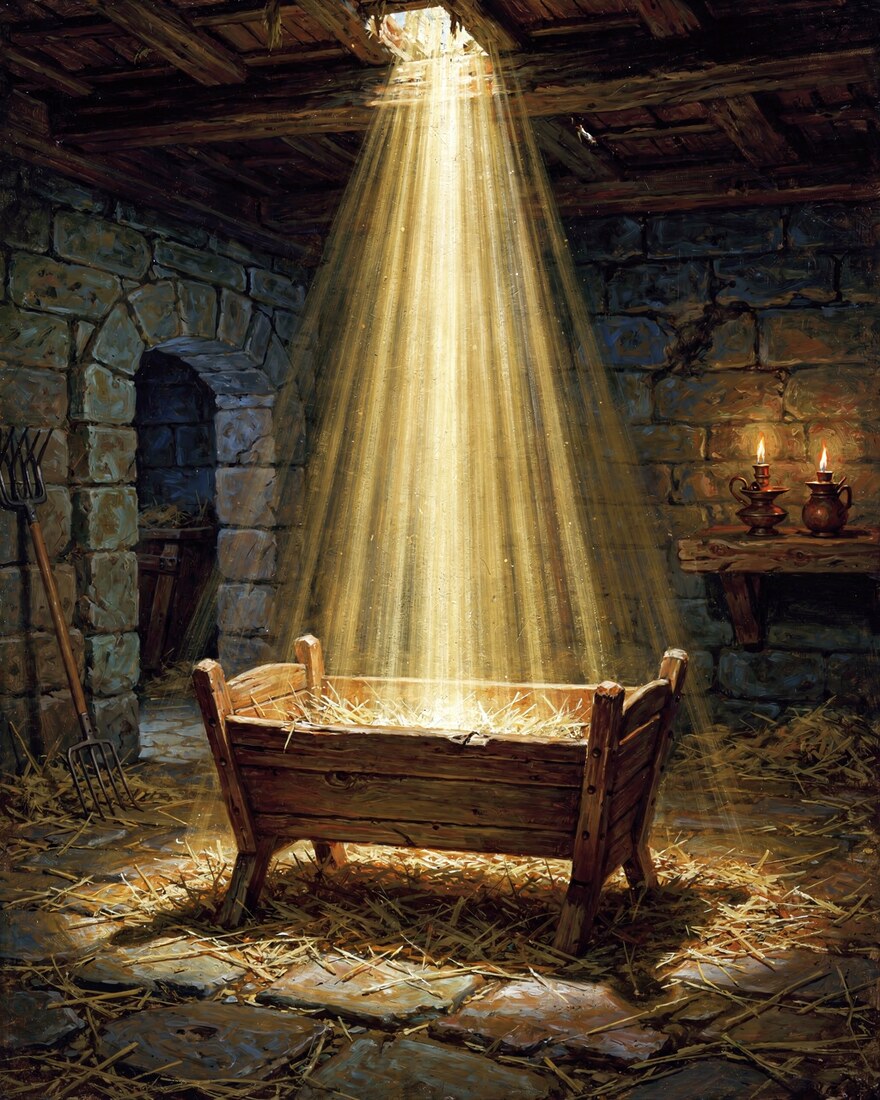
Micah names the town seven hundred years early, and adds something stranger than an address. The ruler who comes out of Bethlehem Ephrathah has goings out that are from of old, from ancient times. The one who is born there is not new. Then watch what happens to that verse. Herod is troubled, so he assembles the chief priests and scribes and asks where the Mashiach would be born. They answer at once. They know the book, they find the passage, they quote it correctly, and not one of them walks the few miles down the road to look. The men who could locate Him on a page stayed exactly where they were sitting. The travellers who could not have read the prophecy at all went and found Him. Knowing where He is has never been the same thing as going.
Born of a Virgin
Two names are given to the same child, and the text explains both. The malak tells Joseph to call him Yeshua, for it is he who shall save his people from their sins. Then Matthew reaches back to Isaiah for the second: They shall call his name Immanuel, which the passage itself translates as Elohim with us. One name says what He will do. The other says who He is. Notice when they arrive. Both are spoken before the child is born, before a word is taught, before a single sign is given. Nothing has been earned or demonstrated yet. The identity comes first, and everything else follows out of it. And the second name is not an honour paid to a great teacher long afterwards by admirers. It is a plain description of what was happening in that room.
The Suffering Servant
Read this chapter watching the small words rather than the large ones. Almost every line moves something from one party to another. Surely he has borne our sickness and carried our suffering… Borne and carried are words for a load. Something was set down on him that had been resting on somebody else. "He was pierced for our transgressions. He was crushed for our iniquities." Not for his own. YHWH has laid on him the iniquity of us all. Laid on. Placed there deliberately, from above. The chapter never says the servant suffered alongside people or in sympathy with them. It says the weight changed shoulders. And the last verse does not describe a tragedy that was survived. It says he bore the sins of many and made intercession for the transgressors. Seven hundred years before the cross, the mechanism is already written down.
My Elohim, My Elohim
Tehillim 22 opens with the loneliest sentence in Scripture, and Yeshua borrowed it word for word from the cross. My Elohim, my Elohim, why have you forsaken me? What follows is not vague misery. Hands and feet pierced. Bones out of joint and countable. A crowd standing and staring. Garments divided, and lots cast for the clothing. David wrote it out of his own affliction, a thousand years before anyone was nailed to anything. Now read on to the middle and watch it turn. I will declare your name to my brothers. Amongst the assembly, I will praise you. The voice that began by asking why does not end there. The man who could count his own bones finishes by telling everyone what Elohim is like. The cry was real, and it was not the final word, and Yeshua knew the whole of Tehillim 22 when He quoted its opening line.
The King on a Donkey
Zechariah had described the arrival centuries in advance. The King comes, righteous and having salvation, and then the surprising word: lowly, and riding on a donkey, even on a colt, the foal of a donkey. Now notice who arranges the animal. Yeshua sends two disciples ahead with instructions about where to go and what to say if anyone asks. He is not swept along by an excited crowd that happened to produce a donkey. He chose the mount, and the mount is the message. A king arriving on a horse was arriving from a battle. A king arriving on a donkey was arriving in peace, because the fighting was over. So on the one day He let the crowds shout whatever they wished, He fixed in advance the single detail that told them what kind of king they were shouting at.