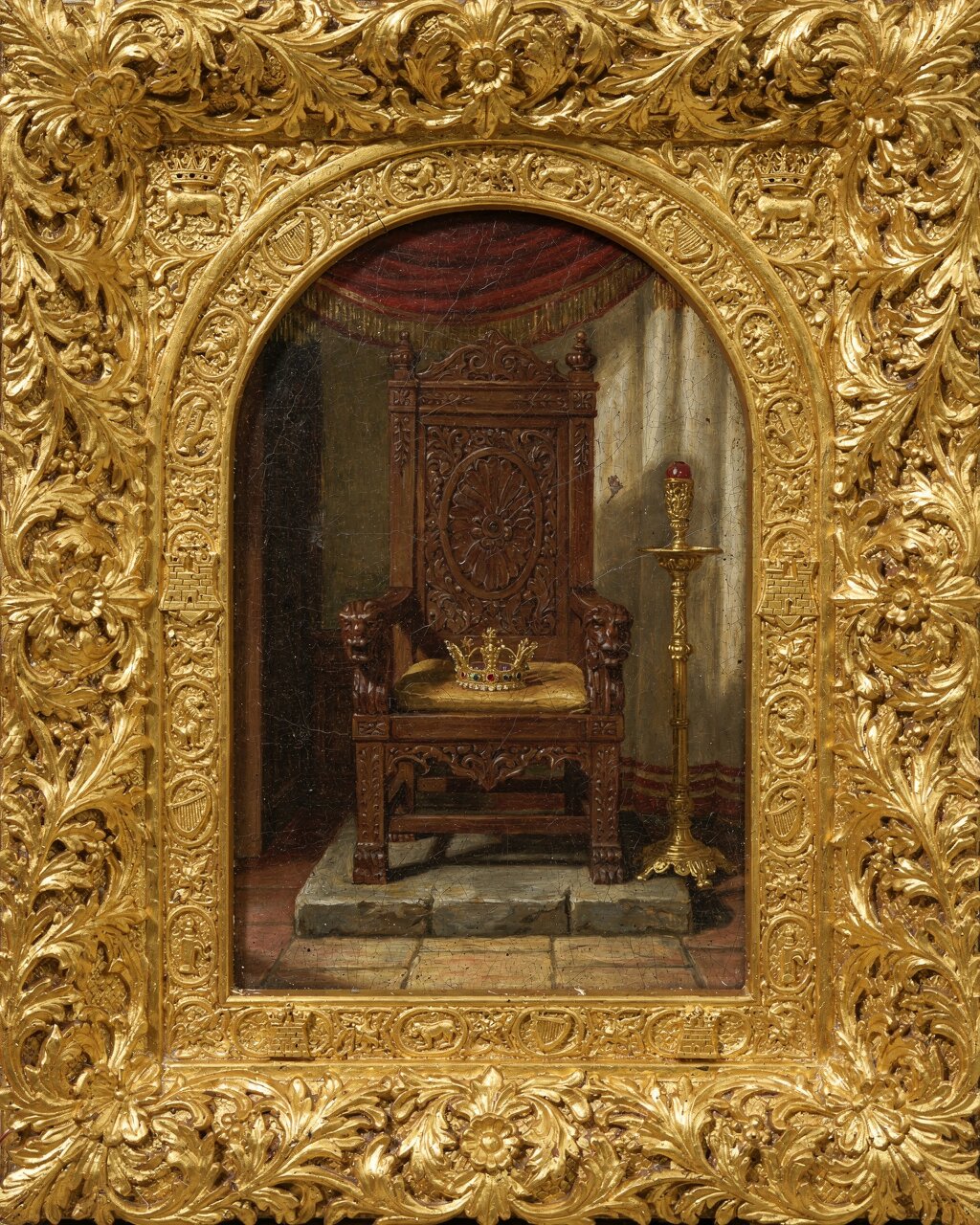
Kings & Prophets
Thrones rise and fall — and the prophets strain toward one promised Name
For a child is born to us. A son is given to us.
Yeshayahu 9:6
A new generation finally crossed into the land Elohim had promised.
Under Yehoshua they entered, and Elohim gave them rest on every side. But the rest did not hold. Again and again the people forgot Elohim, turned to the idols around them, fell under the hand of their enemies, cried out, and were rescued by a judge Elohim raised up — only to forget again once the danger passed. The book of Judges is a wheel turning through the same mud: everyone did what was right in their own eyes. The pattern aches with a question the people themselves began to ask aloud: is there no one who will lead rightly, no king who will not fail?
So Elohim gave them a king. The first, Sha'ul, looked the part and lost his way through fear and disobedience. Then Elohim sent His prophet to a forgotten youngest son, keeping sheep, and anointed him — David, a man after Elohim's own heart. David was no flawless hero; he sinned grievously and knew it, and his psalms are full of both soaring praise and the rawest repentance. But to David the Father made a promise that lifts the whole Story onto a new horizon: one of your own sons will sit on a throne, and I will establish his kingdom forever. I will be his father, and he will be my son. A king whose reign does not end, and a son the Father claims as His own. From that day the people watched the royal line, waiting for the Son of David who would rule and never fail and never die.
David's son Shlomo built the house for YHWH's name, and at its dedication the glory filled it as it had once filled the tent — the Father again choosing to dwell among His people. For a moment it looked as though the promise had landed. But Shlomo's heart turned, the kingdom split in two after him, and both halves slid into idolatry and injustice. The thrones that were meant to image the Father's reign instead mirrored the nations around them.
Into that long decline Elohim sent the prophets — not chiefly to predict the future but to call the people back, to plead, to warn, and to promise. They thundered against religion that trampled the poor while keeping the festivals; let justice roll on like rivers, Elohim said, and righteousness like a mighty stream. They warned that exile was coming if the people would not turn. And they did not turn, and it came: the kingdom carried off, the house where the glory had dwelt burned to the ground, the people weeping by foreign rivers, asking how to sing YHWH's song in a strange land.
Yet it is precisely in the prophets, in the rubble, that the promises blaze brightest. They saw, from far off, a day coming. A child would be born, a son given, and the government would rest on his shoulders; he would be called Wonderful Counsellor, Mighty Elohim, Everlasting Father, Prince of Peace. A branch would grow from the cut-down stump of David's line. A new Brit would be made, not written on stone but on hearts, with sins remembered no more. The Ruach of Elohim would be poured out on all flesh. A shepherd would come to gather the scattered sheep. And, most piercing of all, they saw a servant — despised, pierced for the people's transgressions, crushed for their iniquities, led like a lamb to the slaughter, bearing the sin of many and making intercession for them. It pleased the Father to lay on Him the iniquity of them all, and by His wounds, they said, healing would come.
Elohim brought a remnant home from exile, and they rebuilt, humbly, a smaller house. But the great promises had not yet arrived: no Son of David sat on the throne, the glory had not returned, the new Brit was not yet written on any heart. Then the prophets fell silent, and four hundred years passed with no word — generations waiting, watching the road, leaning forward. Every promise was straining in one direction, towards one Person. The longing of the whole Story had a name it did not yet know how to say. It was Yeshua, and the silence was about to break.